Throughout human history, communities have observed the relationship between natural elements and daily vitality. The concept of natural vigor encompasses the understanding of how botanical compounds, minerals, and lifestyle patterns interact with human physiology over time.
For men over 40, this period often coincides with gradual metabolic shifts and changing nutritional needs. Educational resources on this topic explore how various plant-based compounds have been studied in ethnobotanical contexts, providing insight into traditional knowledge systems.
This portal presents information about these topics from an educational standpoint, helping readers understand the biological mechanisms, historical uses, and scientific observations surrounding natural elements.
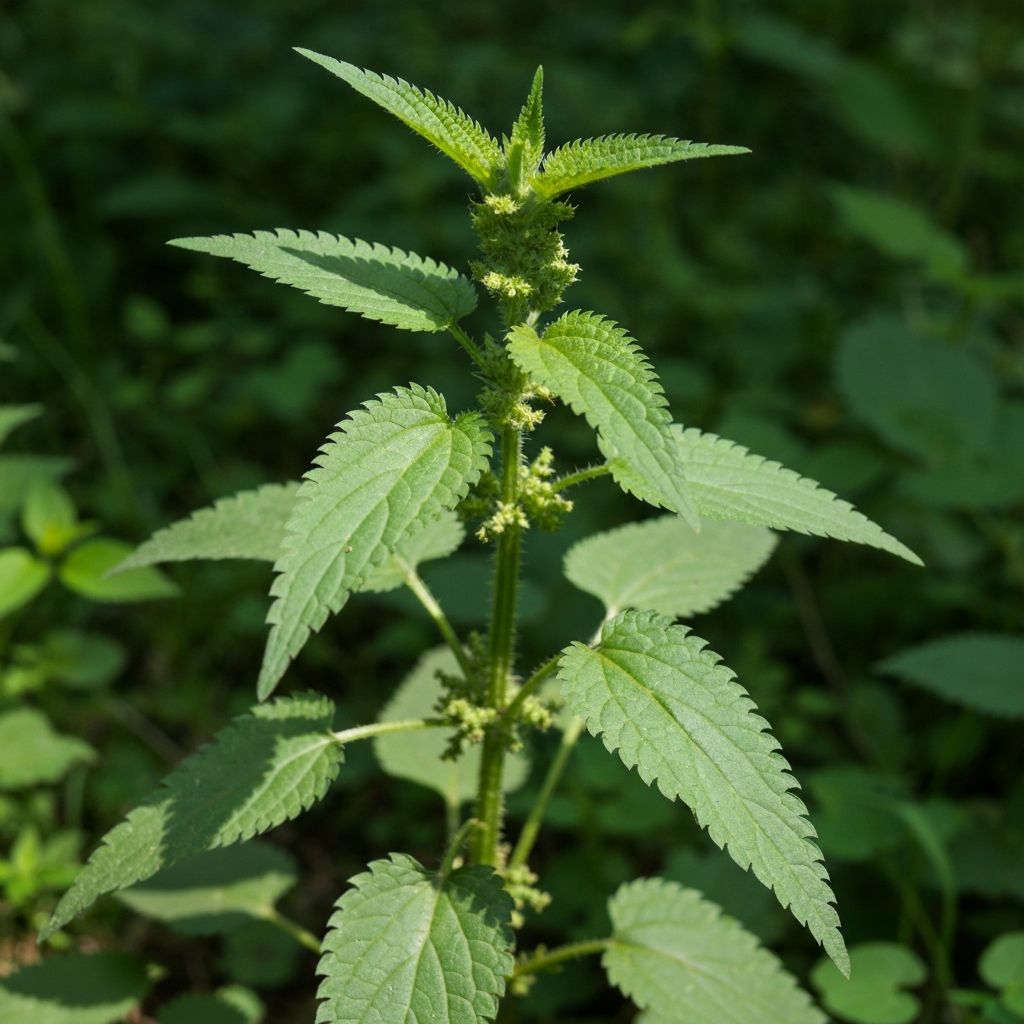
Urtica dioica, commonly known as stinging nettle, contains flavonoids, minerals, and amino acids. Studies in ethnobotany document its use across European and Asian cultures for nutritional supplementation.
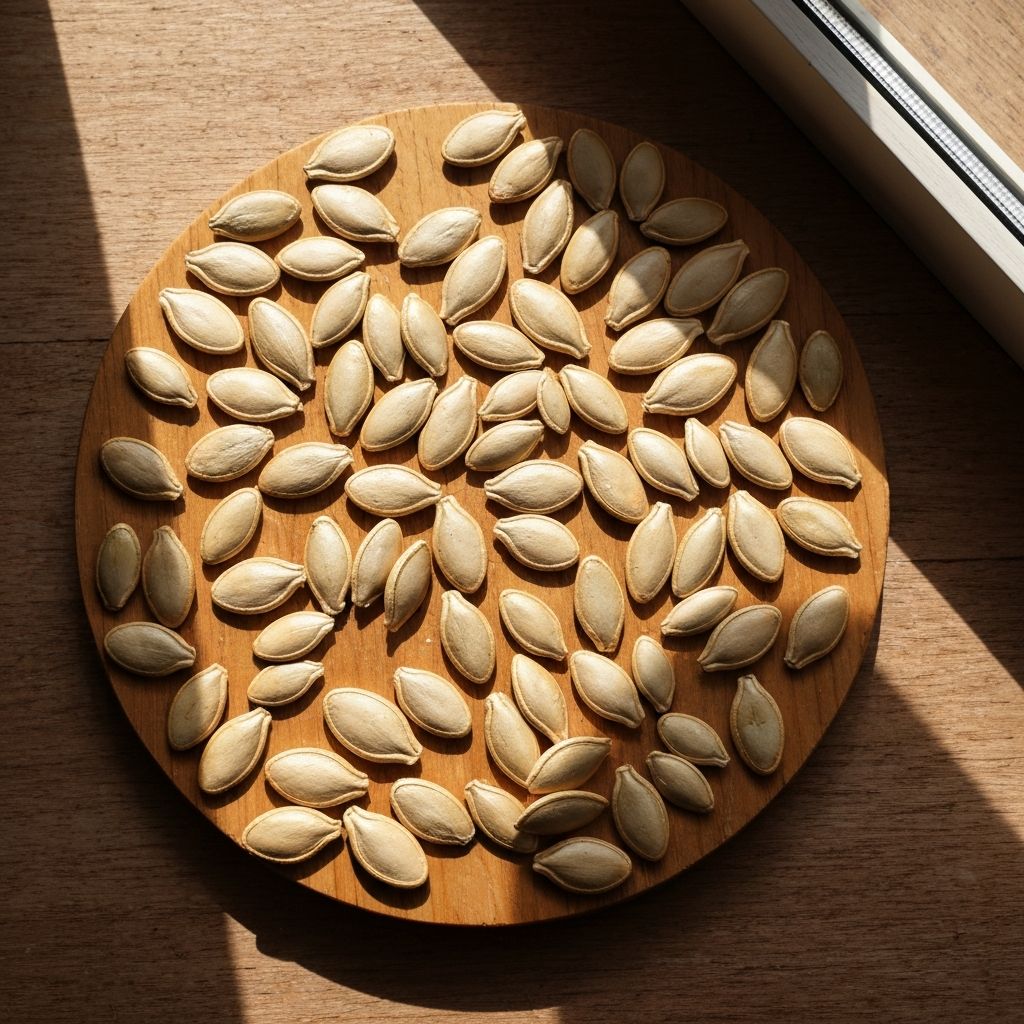
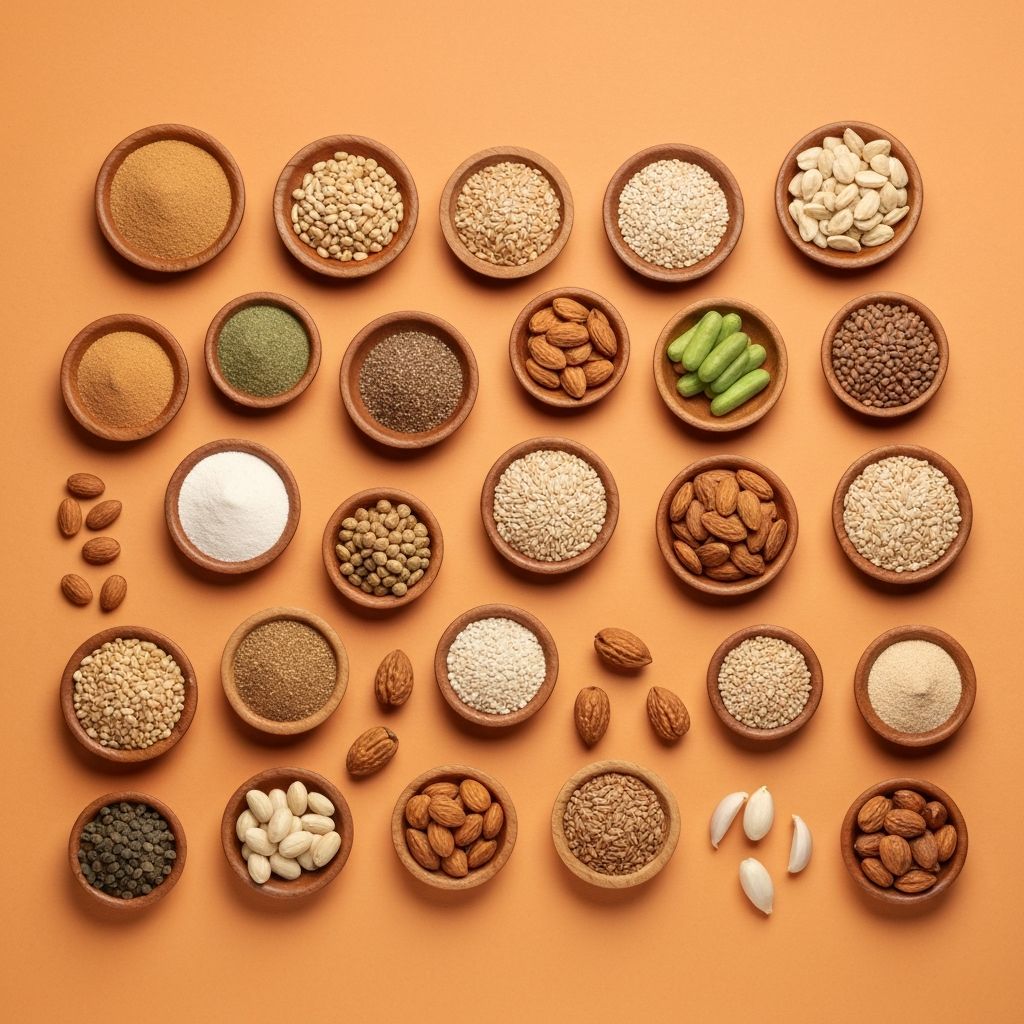
Cucurbita pepo seeds are rich in zinc, magnesium, and essential fatty acids. Nutritional research highlights their role in providing plant-based protein and antioxidant compounds.
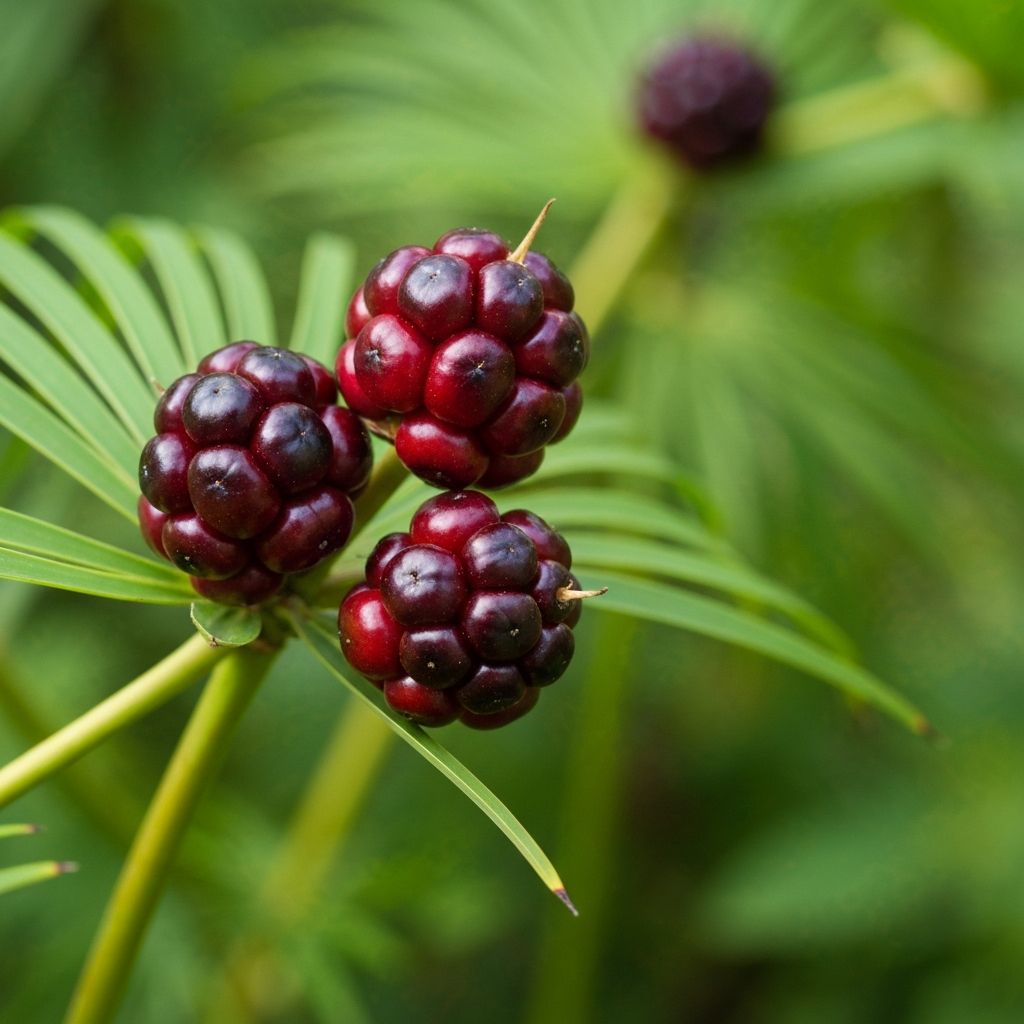
Serenoa repens berries contain fatty acids and phytosterols. This botanical element has been subject to numerous phytochemical analyses exploring its composition and properties.
Micronutrients play essential roles in cellular metabolism and energy production. For individuals over 40, understanding the function of specific vitamins and minerals becomes increasingly relevant.
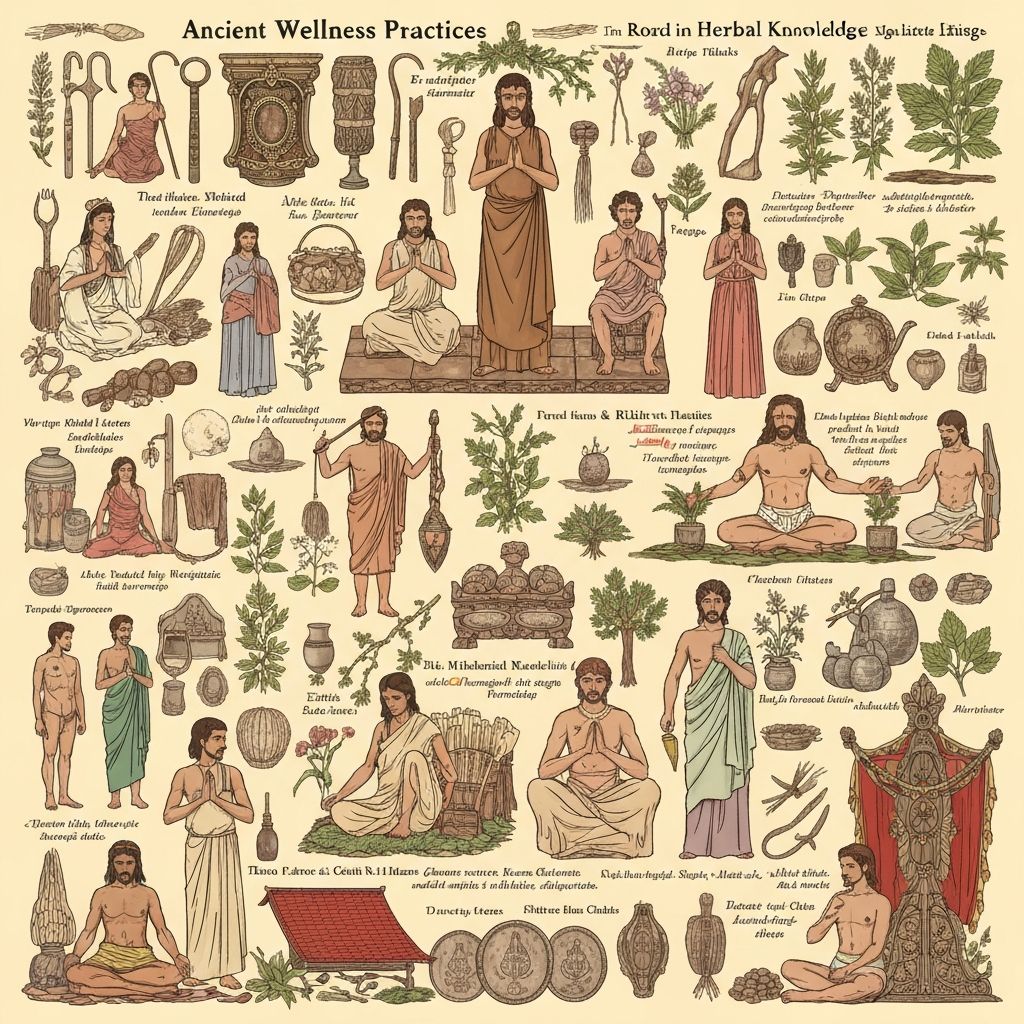
The study of plant-based nutrition has roots in ancient civilizations. From Traditional Chinese Medicine to Ayurvedic practices in India, historical texts document the observation and categorization of botanical properties.
In European tradition, herbalism evolved through monastic gardens and folk knowledge systems. The 20th century brought scientific methodologies to analyze these traditional observations, creating bridges between ethnobotanical wisdom and modern nutritional science.
Understanding this historical context provides perspective on how contemporary research builds upon centuries of accumulated knowledge about natural elements and human well-being.
Plant sterols are structural compounds found in cell membranes of plants. Their molecular similarity to cholesterol has made them subjects of nutritional research, particularly regarding lipid metabolism and cardiovascular health markers.
These polyphenolic compounds contribute to the pigmentation of many plants. Research in biochemistry examines their antioxidant properties and potential interactions with cellular signaling pathways.
Omega-3 and omega-6 fatty acids from plant sources play roles in membrane fluidity and inflammatory response modulation. Nutritional science explores optimal ratios for supporting various bodily functions.
Contemporary work environments often involve prolonged sitting and reduced physical activity. Research explores how movement patterns affect metabolic health and energy levels.
Digital connectivity brings constant stimulation and reduced rest periods. Studies examine the relationship between screen time, sleep quality, and daily energy patterns.
Modern food systems emphasize convenience and shelf stability. Nutritional research compares micronutrient density in processed versus whole food sources.
Nutritional science identifies patterns associated with sustained energy and metabolic health. These patterns typically emphasize variety, whole food sources, and adequate micronutrient intake.
Key principles observed in nutritional research include:
Contemporary wellness education often combines insights from multiple disciplines. This integrative perspective considers nutrition, movement, sleep hygiene, and stress management as interconnected elements.
Research in lifestyle medicine examines how these factors interact:
Educational resources help individuals understand these relationships and make informed decisions about their daily routines.
The intersection of botanical science, nutritional biochemistry, and lifestyle research creates a complex knowledge landscape. This educational portal synthesizes information from ethnobotany, phytochemistry, and wellness studies.
Key areas of exploration include:
All information presented serves educational purposes, helping readers develop informed perspectives on these topics.
Information Nature: All content on Natural Flow is provided for educational and informational purposes only. This resource presents knowledge about botanical elements, nutritional science, and wellness concepts without providing individualized guidance.
Not Personalized: Information presented here does not constitute personalized recommendations. Individual circumstances vary significantly, and what applies broadly may not suit specific situations.
Diverse Approaches: The field of wellness encompasses multiple perspectives and approaches. This portal presents one educational viewpoint among many possible frameworks for understanding natural elements and lifestyle factors.
No Substitution: Educational content cannot replace professional consultation for individual health decisions. Readers should consider multiple sources of information when making personal choices.
Ongoing Research: Scientific understanding of botanical compounds and nutritional factors continues to evolve. Information presented reflects current educational consensus but remains subject to refinement as research progresses.
Explore additional resources to deepen your understanding of natural elements, botanical science, and integrative wellness perspectives.
Learn About Natural Flow Send Us Your Questions